
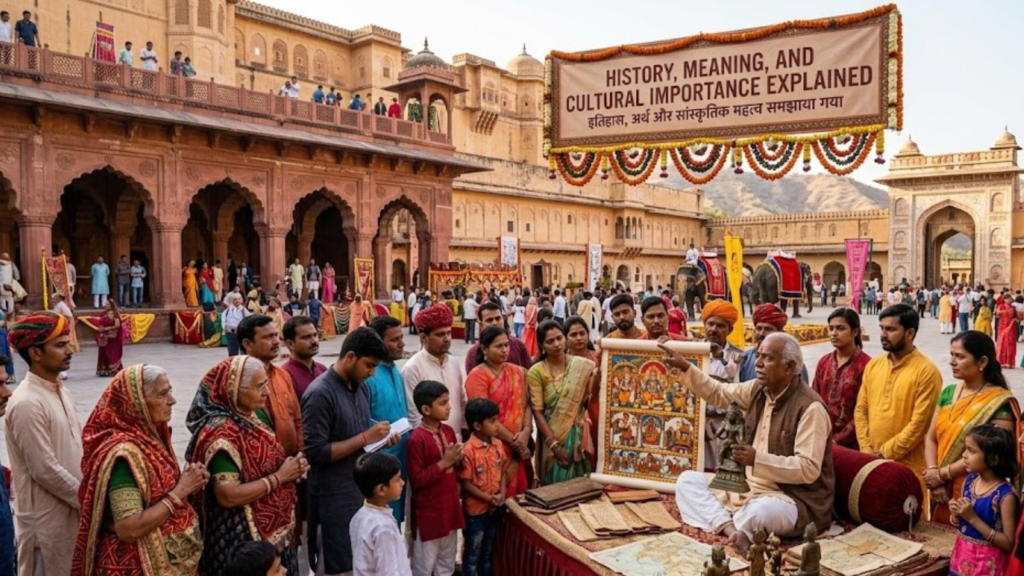
What Is Rain Dance? History and Meaning
Many people enjoy dancing under artificial showers during summer parties, but few know the deeper background behind this concept. If you have ever wondered what is rain dance, the answer goes far beyond modern entertainment. Originally, rain dance was a traditional ritual performed by different cultures to pray for rainfall and ensure a good harvest.
For centuries, communities around the world depended on rainfall for agriculture and survival. In many regions, prolonged dry seasons could cause serious hardships. As a result, people developed symbolic rituals that involved music, movement, and community participation to honor nature and request rain from higher powers. Over time, this ritual became a meaningful cultural tradition.
Today, the concept has evolved into a popular form of entertainment at festivals, resorts, and water-themed parties. While the original spiritual significance may not always be present in modern celebrations, the spirit of joy, unity, and celebration remains a key element of the experience.
What Is Rain Dance in Traditional Culture
To understand what is rain dance, it is important to look at its cultural roots. In traditional societies, rain dance rituals were deeply connected to nature and spirituality. Communities believed that performing specific dances and ceremonies could influence natural forces and bring rainfall during drought periods.
These rituals were often performed during times when crops needed water the most. Participants would gather in groups, wear symbolic clothing, and perform rhythmic movements accompanied by music or chanting. The dance itself was usually performed in open areas where the entire community could participate or witness the ceremony.
The purpose of these rituals was not only to request rainfall but also to strengthen community bonds. People came together with a shared belief and hope for better environmental conditions. The ritual represented faith, unity, and respect for the forces of nature.
Many traditional societies considered the dance sacred, and it was performed with great care and respect for cultural customs.
What Is Rain Dance in Modern Entertainment
Over time, the concept gradually changed as societies evolved and technology advanced. Today, when people ask what is rain dance, they often refer to the modern party experience where artificial rain systems are used to create a fun dance environment.
In modern celebrations, water sprinklers or rain shower systems are installed above a dance floor. Guests dance while water showers fall from above, creating a refreshing and energetic atmosphere. Music, lighting effects, and DJs are usually added to enhance the experience and keep the crowd entertained.
This type of celebration has become extremely popular at resorts, clubs, festivals, and private events. It offers a unique combination of music, water, and social interaction that makes the party environment more exciting. The refreshing water effect is especially enjoyable during hot summer days when people are looking for ways to cool down and have fun.
Although modern versions focus mainly on entertainment, they still reflect the original spirit of celebration and community participation.
What Is Rain Dance and Its Cultural Importance
Even though the modern version is mostly associated with parties, understanding what is rain dance also involves recognizing its cultural importance. Historically, these dances were meaningful expressions of human connection with nature.
In many cultures, rituals connected to rain symbolized hope, renewal, and gratitude for natural resources. Rain was seen as a blessing that supported life, agriculture, and prosperity. The dance was therefore more than just movement; it represented respect for environmental balance and the importance of water for survival.
The cultural significance also lies in the way communities came together during these rituals. The dance was not performed for individual enjoyment but as a collective act of faith and unity. People believed that their shared participation could positively influence natural forces.
Even in modern celebrations, the idea of people gathering together to celebrate through dance continues this tradition of community connection.
How Rain Dance Became Popular at Events
In recent decades, event organizers and resorts began adapting the concept of water dancing for entertainment purposes. With the help of modern technology, artificial rain systems made it possible to recreate the experience in controlled environments.
As music festivals and summer parties grew in popularity, organizers discovered that water-based dance setups attracted large crowds. The refreshing feeling of dancing under falling water combined with energetic music created a unique and memorable experience.
Today, this type of event is common at beach parties, resort celebrations, corporate gatherings, and weekend entertainment venues. Advanced sound systems, LED lighting, and professional DJs have further enhanced the atmosphere, turning water dance floors into exciting party spaces.
The popularity of these events shows how traditional ideas can evolve and adapt to modern lifestyles while still maintaining their original spirit of celebration.
Conclusion
Rain dance has a fascinating journey that connects ancient traditions with modern entertainment. What began as a cultural ritual performed to pray for rainfall has gradually transformed into a lively form of celebration enjoyed by people around the world.
Understanding the history and meaning behind this tradition allows us to appreciate it on a deeper level. While today’s water dance events focus on fun and entertainment, they still reflect the timeless human desire to celebrate nature, community, and joy.
From sacred rituals performed by early communities to energetic summer parties filled with music and laughter, the concept continues to bring people together in a refreshing and memorable way.