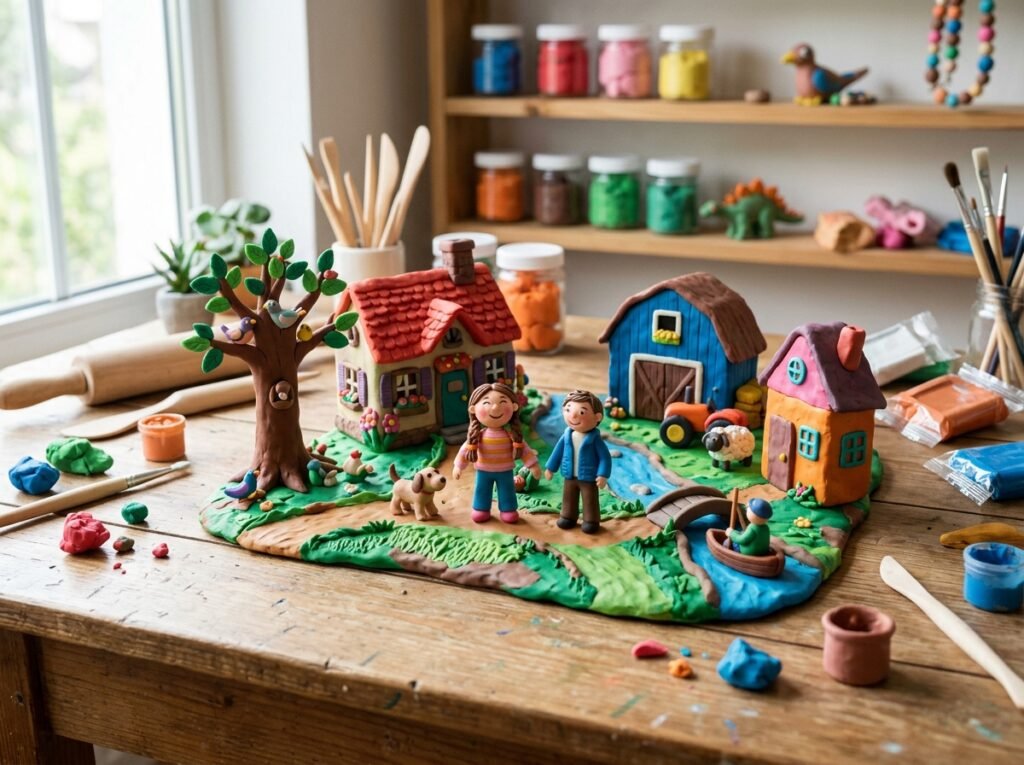
Clay Modeling Kurukshetra is becoming a popular choice for educational workshops that combine creativity, learning, and hands-on engagement. Schools, learning centers, community groups, and event organizers are increasingly incorporating clay activities into workshops because they provide a unique way for participants to learn while having fun. Unlike traditional classroom methods, clay-based activities encourage students to explore concepts through touch, imagination, and practical experience.
Educational workshops are most effective when participants actively engage in the learning process. Clay modeling offers exactly that. Children and young learners can transform simple clay into animals, monuments, science models, historical artifacts, and creative sculptures. Through these activities, they develop problem-solving skills, concentration, and artistic confidence while enjoying every step of the process.
For educational institutions and event organizers in Kurukshetra, clay modeling workshops provide an excellent opportunity to create memorable learning experiences. Whether the goal is to teach art, improve motor skills, encourage teamwork, or support curriculum-based learning, clay workshops deliver lasting value.
Why Educational Workshops Benefit from Clay Modeling Kurukshetra
Hands-on learning is one of the most effective educational approaches. When students physically create something, they understand concepts more deeply and retain information longer. Clay modeling workshops encourage active participation, making learning enjoyable and meaningful.
Participants gain opportunities to:
- Improve hand-eye coordination
- Develop creative thinking
- Enhance concentration
- Learn patience and attention to detail
- Build confidence through artistic expression
- Strengthen teamwork during group projects
Educational workshops that include clay activities often experience higher engagement levels because students remain interested throughout the session. The tactile nature of clay keeps learners focused and motivated.
Creative Learning Opportunities with Clay Modeling Kurukshetra
Clay modeling can be adapted to various educational themes and subjects. This flexibility makes it a valuable addition to workshops across different age groups.
For younger children, clay can be used to create shapes, animals, fruits, and cartoon characters. These projects help develop recognition skills while improving fine motor development.
For older students, clay becomes a powerful educational tool for building:
- Geography models
- Historical monuments
- Solar systems
- Human anatomy structures
- Ecosystem representations
- Architectural designs
When learners create these models themselves, they gain a deeper understanding of the subject matter. The process transforms theoretical lessons into interactive experiences.
Teachers and workshop coordinators often find that students become more enthusiastic about learning when creative activities are integrated into educational programs.
Building Essential Skills Through Clay Modeling Kurukshetra
Educational workshops should not only deliver knowledge but also help participants develop life skills. Clay modeling naturally supports several important developmental areas.
Fine Motor Skills
Manipulating clay requires squeezing, rolling, shaping, and detailing. These movements strengthen hand muscles and improve dexterity, especially among younger children.
Problem-Solving Abilities
Creating a clay model involves planning and decision-making. Participants must determine shapes, structures, and methods to achieve their desired results.
Creative Expression
Every clay project allows learners to express their imagination. This freedom encourages originality and boosts self-confidence.
Team Collaboration
Group workshops often involve collaborative projects where participants work together toward a common goal. This promotes communication and teamwork skills.
Focus and Patience
Completing a clay model requires attention to detail and persistence. These qualities are valuable in both academic and personal development.
Educational Themes Perfect for Clay Modeling Kurukshetra Workshops
One of the biggest advantages of clay workshops is their versatility. Organizers can tailor activities according to educational objectives and participant age groups.
Popular workshop themes include:
Science Workshops
Students can create planets, volcanoes, cells, and environmental models. These visual and tactile representations make scientific concepts easier to understand.
History and Culture Workshops
Clay models of historical monuments, ancient civilizations, and cultural symbols help participants connect with heritage and history.
Art and Creativity Sessions
Art-focused workshops encourage imagination through sculpture creation and design exploration.
Nature-Based Activities
Participants can model animals, plants, insects, and ecosystems, helping them develop awareness of the natural world.
Festival and Seasonal Projects
Special workshops can include themed creations related to festivals, celebrations, and community events.
These diverse themes make clay modeling suitable for year-round educational programming.
Organizing Successful Clay Modeling Kurukshetra Events
A successful educational workshop requires thoughtful planning and execution. Event organizers can maximize engagement by creating a structured yet enjoyable environment.
Important considerations include:
Age-Appropriate Activities
Projects should match participants’ skill levels and developmental stages.
Interactive Demonstrations
Live demonstrations help participants understand techniques and inspire creativity.
Adequate Materials
Providing quality clay and tools ensures a better learning experience.
Guided Support
Experienced instructors can assist participants while encouraging independent creativity.
Display and Recognition
Showcasing completed models helps participants feel proud of their accomplishments and motivates future participation.
Creating a positive atmosphere encourages learners to explore their creativity without fear of making mistakes.
Why Schools Prefer Clay-Based Educational Workshops
Schools increasingly recognize the value of experiential learning. Clay workshops complement classroom education by providing opportunities for practical application.
Benefits for schools include:
- Enhanced student engagement
- Improved classroom participation
- Better concept retention
- Development of creative confidence
- Opportunities for interdisciplinary learning
- Inclusive activities suitable for diverse learners
Educational institutions also appreciate that clay modeling can support curriculum objectives across multiple subjects while keeping students entertained.
As educational methods continue evolving, hands-on activities remain essential for holistic learning.
The Future of Educational Workshops in Kurukshetra
The demand for interactive educational experiences continues to grow. Parents, educators, and institutions increasingly seek activities that combine entertainment with skill development.
Clay modeling workshops align perfectly with these expectations. They provide meaningful learning experiences while encouraging creativity, innovation, and personal growth.
As more schools and organizations embrace experiential learning, clay-based workshops are likely to become an even more important part of educational programming in Kurukshetra.
Students benefit from engaging activities that stimulate curiosity and imagination, while organizers gain an effective way to deliver memorable educational experiences. The combination of fun, learning, and creativity makes clay modeling one of the most valuable workshop activities available today.
Educational workshops built around clay activities continue to inspire learners of all ages, helping them develop practical skills, artistic abilities, and a lifelong appreciation for creative learning.
What age groups can participate in clay modeling workshops?
Clay modeling workshops can be designed for children, teenagers, and even adults. Activities are customized according to the age and skill level of participants.
How does clay modeling support educational learning?
Clay modeling helps learners understand concepts through hands-on experiences, improving retention, creativity, and engagement.
Are clay workshops suitable for schools?
Yes. Schools often use clay workshops to complement classroom learning and encourage practical skill development.
What skills do participants develop during clay modeling sessions?
Participants improve creativity, fine motor skills, concentration, problem-solving abilities, teamwork, and self-confidence.
Can clay modeling workshops be linked to academic subjects?
Absolutely. Workshops can support science, history, geography, environmental studies, art, and cultural education.
How long does a typical educational clay workshop last?
Most workshops range from one to three hours, depending on the project complexity and participant age group.
Why choose Party Events for educational clay workshops?
Party Events provides engaging, professionally organized clay modeling experiences that combine creativity, learning, and interactive participation for all age groups.