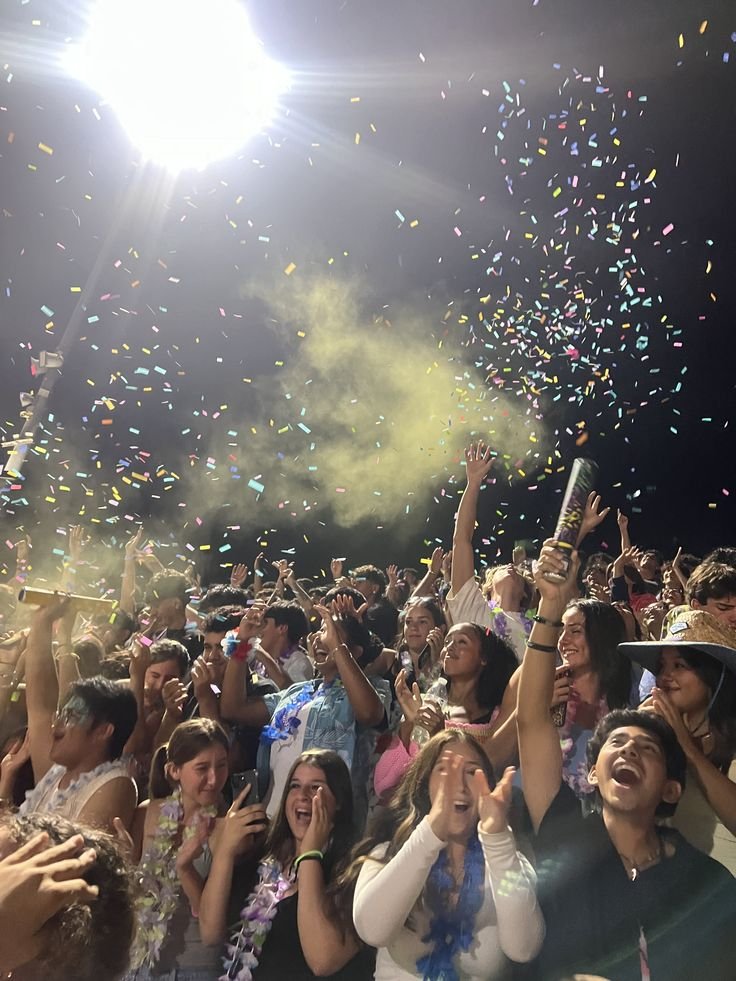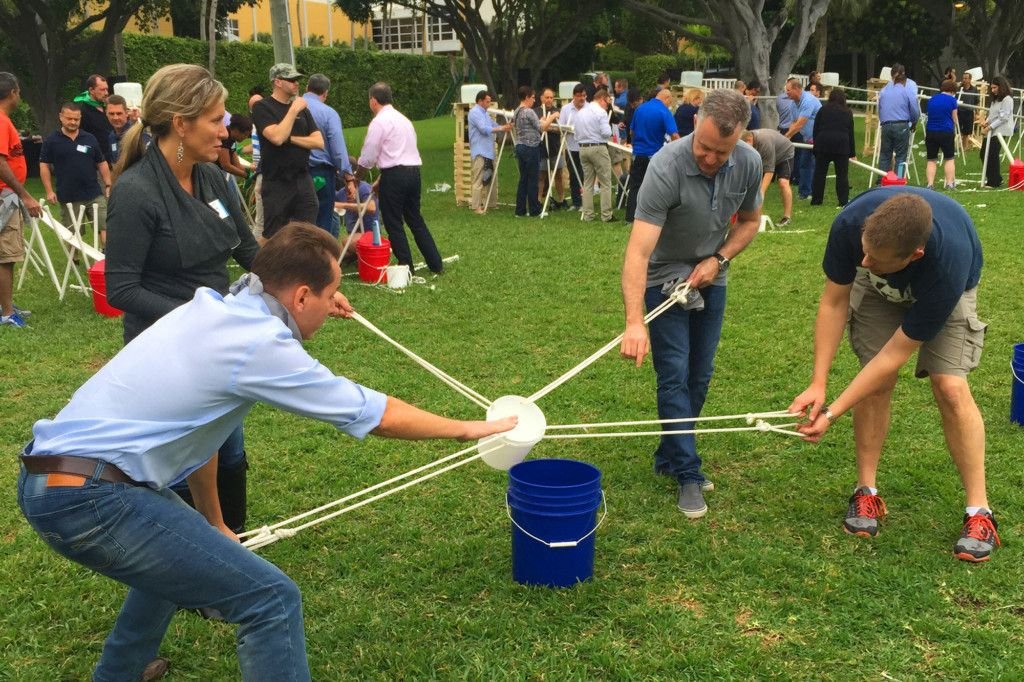
A school fair becomes much more exciting when students have plenty of fun activities to explore. The best games for school fairs with 100+ students should be easy to understand, quick to play, and suitable for different age groups. When hundreds of students are attending, schools can create multiple game stalls and activity zones so children can participate without long waiting times.
From ring toss and lucky draws to target games, treasure hunts, quizzes, and team challenges, the right combination of activities can turn a regular school fair into a memorable day for students, teachers, and families.
Why Games Are Important at School Fairs
Games are often one of the biggest attractions at a school fair.
Well-organized activities can:
- Keep students entertained
- Encourage friendly competition
- Develop coordination and concentration
- Give students opportunities to interact
- Add variety to the event
- Encourage participation across different age groups
- Create an enjoyable atmosphere for families
A good school fair doesn’t need every student to play the same game. Multiple stalls allow students to choose activities according to their interests.
What to Consider When Planning Games for 100+ Students
Large school fairs require careful planning.
Before selecting games, consider:
- Number of students
- Age groups
- Available space
- Number of volunteers
- Expected event duration
- Safety requirements
- Equipment needed
- Number of game stalls
- Prize arrangements
For 100 or more students, it is usually better to have several small game stations rather than one large activity.
1. Ring Toss
Ring toss is one of the easiest carnival-style games to organize.
Set up several targets at different distances and give each student a fixed number of rings.
Students earn points depending on which target they successfully land a ring on.
You can create different difficulty levels for younger and older students.
2. Ball-in-the-Cup Game
Set up cups or containers at different distances.
Students throw small balls and try to land them inside the cups.
Give different points to each cup depending on its distance.
This game is simple, inexpensive, and can handle many participants when multiple stations are created.
3. Lucky Dip
A lucky dip can create excitement because students don’t know what they will receive until they pick a ticket or item.
Prizes can be simple and age-appropriate.
The activity can be organized as a quick stall, allowing many students to participate throughout the fair.
4. School Fair Treasure Hunt
A treasure hunt can turn the school premises into an interactive game area.
Create clues that lead students from one location to another.
Depending on the age group, clues can include:
- Simple riddles
- Picture clues
- Word puzzles
- Number challenges
- School-related questions
For younger students, use simple visual clues.
Older students can receive more challenging puzzles.
5. Duck Pond Game
The duck pond is a classic fair activity.
Place numbered or marked floating objects in a small water container. Students select one and receive a prize or points according to the marking.
For younger children, the game can be kept simple and supervised by volunteers.
6. Balloon Pop
Balloon games can add colour and excitement to a school fair.
Possible versions include:
- Pop a balloon to reveal a number
- Pop a balloon to find a prize
- Dart-free balloon selection
- Balloon matching
- Balloon colour challenge
For school environments, choose safe methods and appropriate materials rather than activities involving sharp objects.
7. Target Throw
Target throwing can be adapted for different age groups.
Students can throw soft balls toward:
- Buckets
- Hoops
- Numbered targets
- Containers
- Standing targets
Use different distances to create beginner and advanced levels.
8. Mini Bowling
Create a small bowling setup using lightweight pins and soft balls.
Students get a fixed number of attempts to knock down the pins.
You can award points based on the number of pins knocked down.
Mini bowling can work particularly well as a compact stall.
9. Wheel of Fortune
A prize wheel can attract students because the result is immediate and visual.
Each section of the wheel can represent:
- A small prize
- Points
- A bonus attempt
- A fun challenge
- A special reward
Make sure the rules and prizes are clearly displayed.
10. Cup Stacking Challenge
Cup stacking is a quick skill-based activity.
Students race against the clock to build and take down a specific cup arrangement.
You can create different levels:
Beginner: Simple stack
Intermediate: Pyramid
Advanced: Timed sequence
This game works well when you want short activities that allow many students to participate.
11. Memory Game
Place several objects on a table and let students look at them for a short period.
Cover the objects and ask students to remember as many as possible.
Variations can include:
- Matching cards
- Remembering colours
- Identifying missing objects
- Picture memory
The difficulty can be adjusted according to age.
12. School Fair Quiz
A quiz stall can be designed around age-appropriate topics.
Possible categories include:
- General knowledge
- Science
- Sports
- Animals
- Movies
- Geography
- School-related trivia
Students can answer individually or in small teams.
13. Pictionary
Pictionary is a fun option for students who enjoy drawing.
One student receives a word and draws it while others try to guess the answer.
Categories can include:
- Animals
- Food
- Sports
- Places
- School objects
- Cartoon characters
Keep the prompts appropriate for the students’ age group.
14. Musical Freeze Game
Play music while students move or dance.
When the music stops, everyone has to freeze.
Anyone who moves can either leave the round or receive a fun challenge, depending on the format.
This activity requires supervision and enough clear space.
15. Sack Race
For outdoor school fairs, sack races can provide plenty of excitement.
Create multiple short heats rather than putting all students into one race.
Use a safe, level playing surface and ensure students understand where to start and finish.
16. Three-Legged Race
Pair students together and organize short races.
The challenge is to coordinate movement while keeping the tied legs together.
For safety, use suitable materials and ensure the race area is free from obstacles.
17. Obstacle Course
An obstacle course can combine several simple activities.
For example:
- Walk around cones
- Step through hoops
- Crawl under a safe barrier
- Carry a soft object
- Complete a simple target challenge
Keep the course appropriate for the students’ age and physical abilities.
18. Photo Challenge
A photo challenge can be particularly enjoyable for older students.
Create a list of photographs or creative poses that teams must complete.
For example:
- Funniest team pose
- Best group photograph
- Most creative formation
- School-themed photograph
- Recreation of a famous scene
School staff should establish clear rules about photography and student privacy before including this type of activity.
19. Puzzle Race
Give teams identical puzzles and challenge them to complete them within a fixed time.
Possible puzzles include:
- Jigsaw puzzles
- Word puzzles
- Picture puzzles
- Number puzzles
- Simple logic challenges
This provides a quieter activity alongside more energetic games.
20. Carnival Game Zone
Instead of relying on individual stalls, schools can create a complete carnival game zone.
It could include:
- Ring toss
- Mini bowling
- Target throw
- Cup stacking
- Lucky dip
- Memory games
- Puzzle challenges
- Wheel games
Students can receive a game card and visit different stations throughout the fair.
Games for Younger Students
For younger children, choose simple games with easy instructions.
Good options include:
- Ring toss
- Ball-in-the-cup
- Duck pond
- Colour matching
- Balloon games
- Mini bowling
- Memory games
- Simple puzzles
The emphasis should be on fun and participation rather than competition.
Games for Older Students
Older students may enjoy games requiring more strategy or skill.
Consider:
- Treasure hunts
- Puzzle races
- Quizzes
- Team challenges
- Photo challenges
- Obstacle courses
- Cup stacking
- Strategy games
Schools can make the activities more challenging without making them overly complicated.
How to Manage 100+ Students
When hundreds of students are attending, crowd management becomes important.
Create Multiple Game Stations
Instead of one large queue, create several independent activities.
Use Game Tokens
Students can receive a fixed number of tokens or coupons that they exchange at different stalls.
Display Simple Rules
Put the instructions and prize structure where students can easily see them.
Use Volunteers
Assign teachers, staff members, or approved volunteers to each activity.
Create Separate Age Groups
If necessary, create different versions of the same game for younger and older students.
Sample School Fair Game Layout
A school can organize the fair into different zones.
Zone 1: Carnival Games
Ring Toss, Mini Bowling, Target Throw
Zone 2: Skill Games
Cup Stacking, Memory Game, Puzzle Race
Zone 3: Team Activities
Treasure Hunt, Quiz, Group Challenges
Zone 4: Outdoor Games
Sack Race, Three-Legged Race, Obstacle Course
Zone 5: Prize Area
Lucky Dip, Wheel Game, Game Rewards
This layout can help distribute students across the venue.
How to Keep School Fair Games Fun
Keep Waiting Times Short
Games should move quickly so students don’t spend most of the fair standing in line.
Make Rules Easy to Understand
Children should be able to understand what they need to do after a short explanation.
Offer Different Difficulty Levels
Younger and older students can participate in versions suited to their abilities.
Use Safe Equipment
Soft balls, lightweight materials, and appropriate equipment are generally better choices for school activities.
Keep Supervision Available
Every activity should have responsible supervision, especially when children are moving, throwing objects, or participating in physical games.
Add Professional Event Entertainment
School fairs can combine games with other entertainment options to create a more complete experience.
Depending on the event, schools may consider:
- Carnival game stalls
- Anchoring
- Music
- Stage games
- Magic shows
- Interactive activities
- Themed decorations
- Photo booths
- Kids’ entertainment
- Prize distribution
If you are planning a school fair and need games, entertainment, activity stalls, décor, or event-related services, you can explore https://partyevents.in/
A professional event team can help with activity planning, equipment, entertainment, and event coordination according to the size and format of the fair.
Safety Tips for School Fair Games
Student safety should always be the first priority.
Before the event:
- Inspect the game area
- Remove unnecessary obstacles
- Check equipment
- Use age-appropriate activities
- Provide adequate supervision
- Keep physical games properly spaced
- Have clear rules
- Maintain accessible first-aid arrangements through the school
- Follow the school’s own safety and safeguarding policies
Activities involving water, movement, throwing, or climbing require additional attention.
Frequently Asked Questions
What are the best games for school fairs with 100+ students?
Ring toss, mini bowling, target throw, treasure hunts, quizzes, cup stacking, lucky dips, puzzle races, and carnival game stalls are good options.
How many game stalls are needed for 100+ students?
There is no fixed number. Schools should consider the expected attendance, event duration, average game time, and available volunteers when deciding how many stations to create.
Which games are suitable for younger children?
Ring toss, duck pond, ball games, mini bowling, colour matching, memory games, and simple puzzles are suitable options when properly supervised.
What games are suitable for older students?
Older students may enjoy treasure hunts, quizzes, puzzle races, team challenges, photo challenges, and more advanced skill games.
How can a school reduce queues at game stalls?
Create multiple stations, keep individual game rounds short, use tokens or game cards, and assign volunteers to manage each activity.
Are outdoor games suitable for school fairs?
Yes. Sack races, obstacle courses, three-legged races, and other outdoor games can work well when the space, weather, equipment, and supervision are appropriate.
Conclusion
The best games for school fairs with 100+ students are simple, engaging, and easy to manage across multiple activity stations. Ring toss, mini bowling, target games, treasure hunts, quizzes, cup stacking, puzzle races, carnival stalls, and outdoor challenges can give students plenty of options throughout the event.
For a large school fair, planning is just as important as choosing the games. Multiple activity zones, short game rounds, clear instructions, adequate supervision, and age-appropriate challenges can help create a smoother experience for students and organizers.
If you’re planning a school fair and looking for games, entertainment, activity stalls, décor, or event planning support, you can explore https://partyevents.in/