How Interactive Games Improve Engagement at Corporate Functions
Corporate functions are no longer limited to formal speeches, presentations, and networking over refreshments. Modern organizations understand that engagement is the key to a successful event. Incorporating wooden games for corporate events creates a relaxed environment where employees, clients, and partners can connect naturally. These activities break the ice, encourage participation, and transform structured gatherings into lively experiences that people genuinely enjoy.
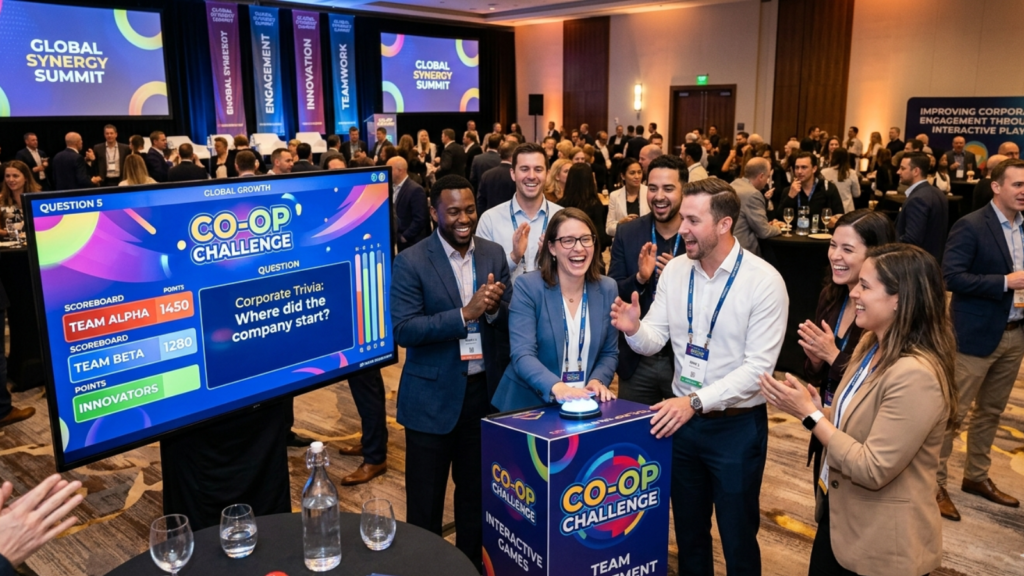
Whether it is a team outing, annual celebration, product launch, or conference, interactive entertainment ensures that attendees remain energized throughout the event. Instead of passive observation, guests become active participants, leading to stronger relationships and a more positive brand impression.
Wooden Games for Corporate Events That Break the Ice Instantly
One of the biggest challenges at corporate gatherings is initiating conversation among attendees who may not know each other well. Large wooden games provide a simple and effective solution by creating shared experiences that spark interaction.
Games such as giant stacking towers, tabletop bowling, ring toss, and strategy boards are easy to learn and require no special skills. Participants naturally gather around these stations, cheer each other on, and start conversations without feeling awkward. This is especially valuable during networking sessions, where meaningful connections are the primary goal.
Unlike digital entertainment, physical games encourage face-to-face communication. Colleagues from different departments, senior leaders, and new employees can interact on equal footing, fostering a sense of unity within the organization.
Strategic Wooden Games for Corporate Events for Team Building
Team building is a major objective of many corporate functions. Activities that require coordination, planning, and friendly competition help employees develop trust and collaboration skills.
Interactive wooden challenges can be designed for individual play or group participation. Teams may compete to complete tasks, solve puzzles, or achieve high scores within a time limit. These scenarios promote problem-solving, communication, and leadership in a fun, low-pressure environment.
Such experiences often reveal hidden talents and encourage employees to step outside their usual roles. When teams succeed together, the shared achievement strengthens workplace relationships long after the event ends. This makes the entertainment not only enjoyable but also professionally valuable.
Relaxed Wooden Games for Corporate Events for Informal Networking
Not every guest at a corporate function wants to participate in high-energy activities. Some prefer calm, casual interactions where they can socialize at their own pace. Relaxed game stations cater perfectly to this need.
Placed in lounge areas or near refreshment zones, these setups allow attendees to engage in lighthearted play while continuing conversations. Clients and business partners particularly appreciate this format, as it blends professionalism with comfort.
The presence of interactive elements also keeps energy levels balanced throughout long events. Instead of experiencing fatigue from continuous formal sessions, guests can refresh themselves through short bursts of enjoyable activity. This results in better attention, improved mood, and higher overall satisfaction.
Additional Interactive Ideas for Corporate Engagement
Combining games with other entertainment elements can create a dynamic and memorable event experience.
Live Activity Zones
Interactive workshops, demonstrations, or skill-based challenges encourage hands-on participation and learning.
Photo Booth Experiences
Branded backdrops and props allow attendees to capture fun moments while subtly promoting the organization.
Quiz and Trivia Sessions
Company-related quizzes or industry-themed games stimulate minds and encourage friendly competition.
Creative Collaboration Corners
Art walls, idea boards, or group projects inspire teamwork and innovation in an informal setting.
Reward-Based Challenges
Offering small prizes or recognition for participation increases motivation and adds excitement to activities.
Tips for Planning Successful Corporate Entertainment
Start by identifying the purpose of the event — networking, celebration, training, or brand promotion. Choose activities that align with this objective while remaining inclusive for all participants.
Consider the diversity of the audience, including age groups, cultural backgrounds, and professional hierarchies. Providing a variety of engagement options ensures that everyone finds something enjoyable.
Space planning is equally important. Activity zones should be easily accessible without disrupting formal proceedings. Clear instructions and supportive staff help guests feel comfortable joining in, even if they are initially hesitant.
Personalization enhances impact. Incorporating company branding, colors, or themes into the setup creates a cohesive and professional look while reinforcing organizational identity.
Why Interactive Entertainment Strengthens Corporate Relationships
Traditional corporate events often struggle with low engagement because attendees remain passive. Interactive activities change this dynamic by encouraging participation, collaboration, and genuine enjoyment.
When people laugh, compete, and cooperate, barriers dissolve. Hierarchies become less intimidating, conversations flow more naturally, and relationships deepen. This is particularly valuable for organizations aiming to build a strong workplace culture or impress external stakeholders.
Wooden games offer a unique advantage because they combine sophistication with simplicity. Their elegant appearance suits formal environments, while their gameplay remains approachable for everyone. They also create visually appealing setups that enhance the overall ambiance of the venue.
Final Thoughts
A successful corporate function is one where attendees feel connected, energized, and valued. Thoughtfully planned interactive entertainment ensures that guests remain engaged from start to finish rather than simply attending out of obligation.
By blending professional objectives with enjoyable experiences, organizations can host events that strengthen teams, impress clients, and leave lasting positive impressions. The focus should always be on creating opportunities for meaningful interaction, as these moments define the true success of any corporate gathering.
When participation replaces passive attendance, corporate events evolve into powerful platforms for relationship building, motivation, and shared celebration — outcomes that benefit both individuals and the organization as a whole.