
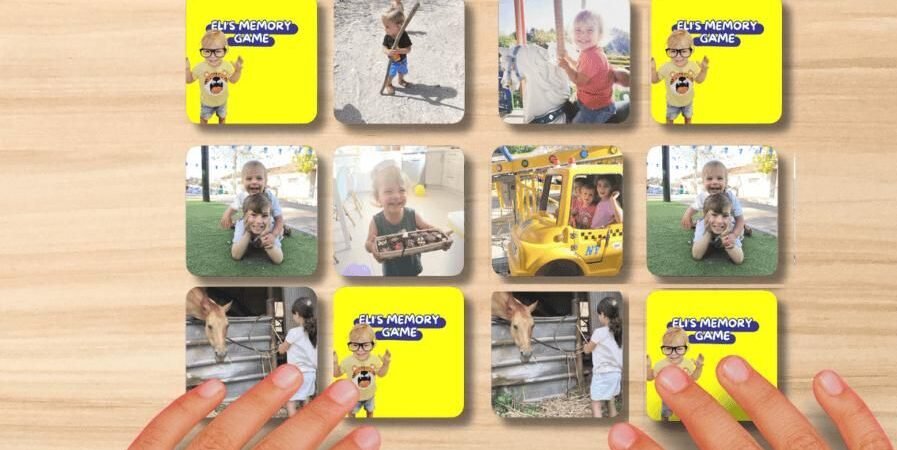
Corporate Memory Games on Rent in Delhi
Corporate events can become more engaging when employees have opportunities to participate rather than simply listen to presentations or speeches. Corporate Memory Games on Rent in Delhi offer a simple way to introduce interactive challenges into office parties, conferences, annual functions, employee engagement programs, exhibitions, team gatherings, and company celebrations.
Memory-based activities can be designed around pictures, objects, patterns, sequences, cards, symbols, company information, or quick observation challenges. They can be played individually or in teams, making them flexible for different event formats and group sizes.
Why Choose Memory Games for Corporate Events?
Memory games encourage participants to observe carefully, remember information, communicate with teammates, and respond within a limited time. These activities can be particularly useful when an event needs short, repeatable game rounds.
Unlike some physically demanding attractions, memory games can be adapted for participants of different ages and activity levels. This makes them suitable for office environments, conference venues, indoor parties, and mixed corporate groups.
A memory challenge can also be customized according to the event theme. For example, a company can use brand logos, product images, workplace photographs, or company milestones instead of generic game content.
For a broader entertainment setup, companies can also explore Corporate Games and combine memory activities with other interactive attractions.
Different Corporate Memory Game Formats
There are several ways to organize memory-based challenges. The format can be selected according to the audience, available space, and duration of the event.
1. Picture Memory Challenge
Participants are shown a collection of pictures for a short period. The images are then covered or removed, and participants are asked questions about what they saw.
Questions can include:
- Which object was visible?
- How many items were shown?
- Which image appeared first?
- Which item was missing?
- What color was a particular object?
This format is easy to understand and can be conducted in short rounds.
2. Memory Card Matching
Players are given cards containing matching images, symbols, numbers, or words.
The cards are placed face down, and participants turn over two cards at a time to find matching pairs. The player or team with the most successful matches can receive the highest score.
This format can work well as a small activity station within a larger corporate game zone.
3. Sequence Memory Game
Participants must remember a sequence of lights, colors, numbers, symbols, or movements.
The sequence can become progressively more difficult as the game continues. Players who remember the correct order move to the next round.
This format can create a quick competitive challenge without requiring complicated instructions.
4. Object Memory Challenge
A selection of objects is displayed on a table. Participants receive a limited amount of time to observe them.
The objects are then covered, removed, or rearranged. Participants must identify what changed or remember as many objects as possible.
This can be particularly effective as a live team challenge during office parties.
5. Company Memory Quiz
Companies can personalize a memory game using information related to their organization.
Participants may be shown:
- Company logos
- Product images
- Office photographs
- Team pictures
- Brand campaigns
- Company milestones
- Department names
After viewing the information, teams answer questions based on what they remember.
This creates an activity that feels connected to the company instead of being a completely generic game.
Memory Games for Employee Engagement
Employee engagement events often bring together people from different departments, locations, and experience levels. A memory game can provide an easy activity where participants can form mixed teams.
Instead of placing employees with their usual colleagues, organizers can create random teams. This gives people an opportunity to interact with coworkers they may not normally work with.
A scoring system can make the activity more structured. For example:
- Correct answer: 10 points
- Bonus challenge: 20 points
- Fastest response: additional points
- Final round: double points
The scoring system can be adjusted according to the event.
The objective is not necessarily to make the game difficult. The focus can be on creating a shared activity that encourages communication and participation.
Memory Games for Office Parties
Office parties often include food, music, decorations, and entertainment. A memory challenge can be inserted between other activities without taking up too much time.
For example, the host can divide employees into four teams and conduct three short rounds:
Round 1: Picture memory
Round 2: Company trivia memory
Round 3: Sequence challenge
Each round can last only a few minutes.
This makes the activity suitable for annual parties, festive celebrations, employee appreciation events, and smaller office gatherings.
Companies looking for additional entertainment can combine memory challenges with Party Games for Adults to create a broader activity schedule.
Memory Games for Conferences and Business Events
Conferences usually have a more formal atmosphere, so interactive activities need to be easy to understand and quick to participate in.
A memory game can be used during breaks, networking sessions, or entertainment segments.
For example, a conference organizer can display ten images related to the event theme. Participants then answer questions about those images.
Another option is to use industry-specific terms, logos, or visual information. This allows the activity to remain connected to the business audience.
For larger conferences, memory games can be placed alongside other attractions so participants can choose different activities during breaks.
Memory Games for Corporate Exhibitions
At exhibitions, visitors often move between different booths and displays. A quick memory challenge can provide an additional reason for visitors to stop at an activity area.
A company can create a branded memory game using:
- Product images
- Brand colors
- Logos
- Product features
- Campaign visuals
- Industry symbols
Participants can complete a short challenge and receive points or a small promotional reward.
The game should be designed so that the instructions are immediately understandable. Short rounds work particularly well because exhibition visitors may not have a lot of time.
For a larger exhibition setup, organizers can also explore Games to Rent in Delhi NCR and combine memory challenges with other interactive games.
Memory Games for Team Building
Memory games can also be used as part of a larger team activity.
Instead of scoring individuals, teams can be given a shared memory challenge. Participants must discuss what they remember and agree on their answers.
This introduces communication into the game.
For example, a team may be shown a detailed picture for 30 seconds. Once the picture is removed, the team receives ten questions. Members must discuss their observations and submit one combined answer sheet.
This format encourages participants to compare observations and work together.
How to Make Corporate Memory Games More Interesting
A memory game does not have to remain a basic matching activity. Organizers can add different mechanics to make each round unique.
Use a Time Limit
A countdown adds urgency. Participants have to remember information while also making decisions quickly.
Add Difficulty Levels
Start with a simple round and gradually increase the number of images, objects, or sequences.
Create Team-Based Rounds
Teams can discuss their answers before submitting them. This makes the activity more social.
Introduce Bonus Rounds
A difficult final round can offer additional points and create a stronger finish.
Use Event-Specific Content
Personalized images and questions can make the activity more relevant to the audience.
Add a Leaderboard
Displaying scores throughout the competition gives teams a reason to remain involved.
Combining Memory Games With Other Attractions
A corporate event can include several different types of entertainment. Memory games can act as one station within a larger game zone.
For example, an office event could include:
- Memory challenge
- Air hockey
- Foosball
- Basketball challenge
- Spin wheel
- Arcade games
- Carnival games
- Quiz station
Companies interested in interactive table-based entertainment can explore Air Hockey on Rent.
For a larger entertainment zone, Arcade Games on Rent can add another option for participants who prefer skill-based or electronic games.
Combining different game formats also helps distribute participants around the venue.
Planning the Game Area
The physical arrangement of the activity can affect how smoothly the game operates.
Before the event, consider:
- Number of participants
- Available floor space
- Seating requirements
- Visibility of the game area
- Lighting
- Sound levels
- Movement between stations
- Waiting areas
- Scoring area
A memory station should have enough space for participants to see the game clearly. If visual material is being used, make sure the audience can view it without obstruction.
For larger events, separate entry and exit points can help reduce crowding.
Choosing Games According to the Event Audience
Not every corporate audience has the same requirements.
For an office party, light and entertaining memory challenges may work best. A conference may benefit from short rounds that can be completed during breaks.
For an employee engagement event, team-based memory challenges can encourage communication. At an exhibition, a quick branded game can be more practical because visitors may participate for only a few minutes.
The game format should therefore be selected according to the event schedule, audience, venue, and overall entertainment plan.
Why Renting Memory Games Can Be Practical
Many companies do not organize events frequently enough to justify purchasing specialized entertainment equipment. Renting allows organizers to select games for a specific occasion without having to store them afterward.
Rental also makes it possible to create a different entertainment setup for each event.
One company may choose memory games and quizzes for an employee engagement program, while another may combine them with carnival attractions for a family event.
For organizers looking for multiple activities, Hiring Party Games on Rent can help when planning a broader entertainment setup.
Tips for Running a Smooth Memory Game
A few simple preparations can make the activity easier to manage.
Explain the rules clearly: Participants should understand how long they have to observe, how answers are submitted, and how points are awarded.
Keep rounds short: Short rounds allow more people to participate.
Prepare backup questions: Having additional content helps if a tie occurs.
Use a visible scoreboard: Participants can follow the competition throughout the event.
Keep the difficulty balanced: Games should challenge participants without becoming unnecessarily complicated.
Assign a coordinator: One person can manage the timing, questions, scoring, and participant flow.
Create a Complete Corporate Entertainment Setup
Memory games work especially well when they are part of a wider entertainment plan.
A company can create separate stations for different interests. One area can focus on memory and quiz challenges, another on arcade games, and another on physical skill games.
This approach gives employees and guests freedom to choose activities rather than forcing everyone into the same game.
For companies planning a complete event entertainment setup, Party Events offers different types of games and attractions that can be selected according to the venue and audience.
Connect With Party Events
Stay connected with Party Events for event entertainment ideas and updates:
Facebook: Party Events
Instagram: Party Events
Pinterest: Party Events
X: Party Events
YouTube: Party Events
You can also see Party Events on Hotfrog for more event planning and entertainment information.
Conclusion
Corporate Memory Games on Rent in Delhi can bring a different type of interactive entertainment to office parties, conferences, exhibitions, employee engagement programs, annual functions, and team events.
Picture challenges, memory cards, object observation, sequences, company trivia, and branded visual games can all be adapted for different audiences. When combined with quizzes, arcade games, air hockey, carnival attractions, or other corporate games, memory challenges can become part of a complete entertainment zone.
The key is to select a format that matches the event duration, audience, venue, and participation level. With clear rules, short rounds, suitable difficulty, and a simple scoring system, memory games can give employees and guests an enjoyable activity while encouraging observation, communication, and friendly competition.
Written by: Hiverift