
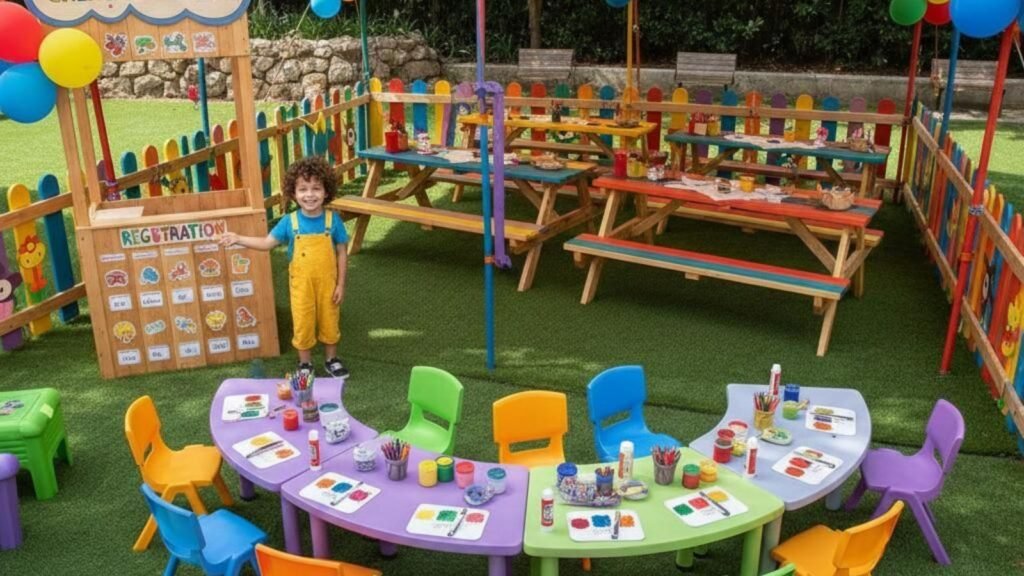
Modern families in Delhi NCR are paying more attention to creating dedicated spaces where children can play, learn, and stay active indoors. With apartments becoming compact and outdoor time reducing, a thoughtfully designed kids’ zone has become a practical necessity instead of a luxury. A smart play corner improves creativity, keeps children engaged, and helps maintain an organized home environment. Whether you live in a spacious villa or a compact apartment, the right planning can transform unused corners into exciting activity spaces.
Smart Space Planning for Compact Apartments
Most Delhi NCR homes struggle with limited space. The biggest mistake parents make is trying to fit too many elements into one area. Children need movement space more than decorative toys. Start by identifying an underused corner in the living room, balcony extension, or spare bedroom. Instead of bulky furniture, use foldable storage units and wall-mounted organizers.
Soft foam flooring works better than heavy carpets because it is easier to clean and safer for kids. Multi-purpose furniture such as storage benches and foldable tables can help maintain functionality without cluttering the room. Natural lighting should be prioritized because dark playrooms often feel congested and uninviting.
A clean layout with fewer but engaging activity options creates a more enjoyable environment than overcrowding the area with toys. Rotating toys weekly also prevents boredom and reduces mess.
Safety Essentials for Play Area Setup in Delhi
Safety should always come before aesthetics. Delhi NCR homes often include marble or tile flooring, which can become slippery for children. Installing anti-slip mats and padded flooring significantly reduces the risk of injuries. Furniture corners should be covered with soft edge protectors, especially for toddlers.
Electrical sockets near the activity zone must have safety covers. Avoid lightweight shelves that can topple over easily. Heavy storage units should always be wall-mounted for stability. Indoor air quality is another overlooked factor. Many parents focus only on decoration while ignoring ventilation. Proper airflow and regular cleaning are necessary because children spend long hours in enclosed environments.
Choose non-toxic paints, washable wall panels, and easy-to-clean materials. Bright colors can make the area lively, but excessive visual clutter can overstimulate children. Balanced tones with playful accents work better for long-term use.
Budget-Friendly Play Area Setup in Delhi Ideas
A functional kids’ space does not require expensive imported décor. Many families waste money on trendy setups that children outgrow within months. Practicality matters more than social media aesthetics. DIY wall art, modular shelves, and portable activity stations are more useful than oversized decorative installations.
Simple additions like chalkboard walls, reading corners, and activity tents can make a huge difference without increasing costs. Recycled wooden crates can be turned into creative storage units. Foldable play mats are affordable and easier to maintain in dusty urban environments.
Instead of buying every toy available, focus on activities that encourage creativity and physical movement. Puzzle stations, art corners, and climbing structures provide longer engagement than battery-operated gadgets. Smart planning helps reduce unnecessary spending while still creating an attractive environment.
Creative Themes for Modern Kids’ Zones
Themes can make children emotionally connected to their personal space. However, overly complex themes become expensive and difficult to maintain. Minimal but engaging concepts work best in urban homes. Nature-inspired corners with indoor plants and wooden textures create a calming atmosphere. Space-themed walls, jungle corners, or pastel activity zones are also popular among modern families.
Interactive walls are becoming more common because they combine decoration with learning. Magnetic boards, alphabet panels, and drawing walls keep children occupied while supporting skill development. Reading nooks with soft cushions encourage quiet time and improve concentration habits.
Parents should avoid creating highly rigid layouts. Children’s interests change rapidly, so flexibility is important. Modular designs allow the space to evolve as the child grows older.
Choosing the Right Lighting and Storage
Lighting directly affects mood and comfort. Harsh white lights can make the area feel cold and uncomfortable. Warm lighting combined with natural daylight creates a more welcoming environment. Decorative LED strips may look attractive, but excessive lighting can overstimulate children during evening hours.
Storage is equally important because messy spaces quickly become stressful. Open baskets, labeled bins, and low-height shelves encourage children to organize their belongings independently. Transparent containers help parents locate toys faster and reduce unnecessary clutter.
One practical approach is dividing the space into activity sections. A reading zone, creative corner, and movement area make the setup more functional. Organized layouts also improve cleaning efficiency and reduce maintenance time.
Creating a Long-Lasting Family-Friendly Setup
Many parents design kids’ areas based only on current trends without considering long-term usability. A better strategy is creating adaptable spaces that remain useful for years. Neutral furniture combined with changeable accessories offers flexibility without repeated renovations.
Durability matters more than appearance. Cheap decorative materials may look attractive initially but often wear out quickly under daily use. Investing in sturdy flooring, washable surfaces, and quality storage provides better value over time.
The best children’s zones are not the most expensive ones. They are the spaces where kids feel comfortable, active, and inspired. A well-planned setup supports creativity, improves indoor engagement, and helps families maintain a balanced home environment without sacrificing style or functionality.